
Disclaimer: Concordia Research. This site provides general content for informational purposes only.
Commercial property owners have several options when choosing a roofing system, and one material that has become especially popular for flat and low-slope roofs is thermoplastic polyolefin, commonly known as TPO. This single-ply roofing membrane is used on many commercial buildings because it combines durability, flexibility, energy efficiency, and relatively straightforward installation.
For businesses planning a roof replacement or new construction project, working with an experienced commercial roofing contractor can help determine whether TPO is the right fit. Understanding the major advantages of this roofing material can make it easier to compare it with other commercial roofing systems.
TPO Roofing Is Designed for Commercial Buildings
TPO roofing is commonly installed on warehouses, office buildings, retail properties, restaurants, industrial facilities, and other commercial structures with low-slope or flat roofs.
The material is typically supplied in large membrane sheets that are rolled across the roof surface and secured using an approved installation method. Seams are then heat-welded to create a continuous roofing system.
Because commercial roofs can cover large areas, reducing the number of vulnerable seams and creating a uniform surface can be beneficial. A commercial roofing contractor can evaluate the roof structure and recommend the proper membrane thickness, attachment method, and insulation configuration.
Businesses Appreciate Its Reflective Surface
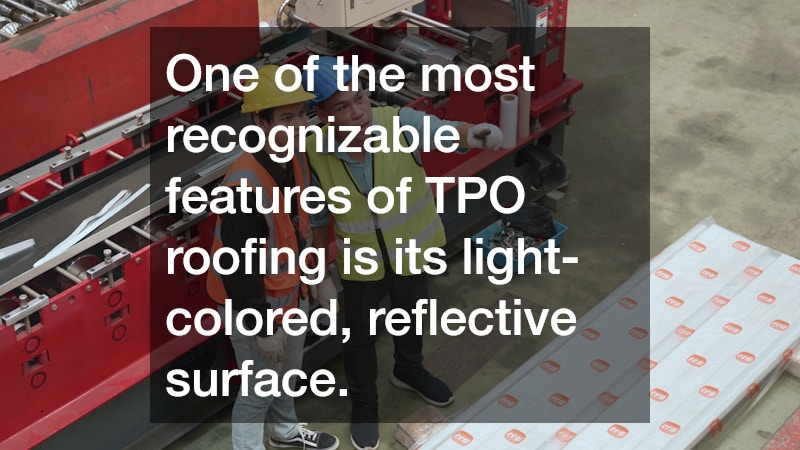
One of the most recognizable features of TPO roofing is its light-colored, reflective surface.
Many TPO membranes are white, although other colors may also be available. The reflective surface can help reduce the amount of solar heat absorbed by the roof compared with darker roofing systems.
During hot weather, limiting heat absorption may help reduce the amount of heat transferred into the building. This can be especially valuable for commercial properties with large roof surfaces exposed to direct sunlight throughout the day.
A qualified commercial roofing contractor can explain how roofing color, insulation, ventilation, and other factors may influence the overall energy performance of the building.
TPO Can Offer Strong Resistance to Weather
Commercial roofing systems are constantly exposed to sun, rain, wind, temperature changes, and other environmental conditions.
TPO is designed to withstand many of these challenges. The membrane is flexible enough to accommodate some movement caused by temperature changes while still providing protection against water infiltration when properly installed.
Its heat-welded seams can also create strong connections between membrane sections. Because seam failure is a common concern with many roofing systems, proper installation is essential.
An experienced commercial roofing contractor understands how to prepare, weld, and inspect seams to help create a reliable roofing system.
It Can Resist Certain Chemicals and Contaminants
Commercial roofs may be exposed to more than just ordinary weather.
Depending on the property, roofing materials can come into contact with oils, grease, exhaust, dirt, and other substances. Restaurants, manufacturing facilities, and buildings with rooftop mechanical equipment may have particularly demanding conditions.
TPO membranes offer resistance to certain chemicals, oils, and contaminants, although the exact level of resistance depends on the product and exposure.
Businesses with specialized operations should discuss their property conditions with a roofing professional. A commercial roofing contractor can determine whether TPO or another material is best suited to the building’s environment.
TPO Roofing Is Relatively Lightweight
Another benefit of TPO is its relatively low weight compared with some traditional commercial roofing materials.
Heavy roofing systems can place additional loads on a building’s structure. A lightweight membrane may be easier to accommodate on many commercial properties, although structural conditions still need to be evaluated before installation.
Lower material weight can also simplify transportation and handling during the roofing process.
Before beginning any major roofing project, a professional should inspect the existing roof deck, insulation, drainage, and structural conditions to determine what work is required.
Installation Can Be Efficient
Commercial property owners often want roofing projects completed efficiently to minimize disruptions to normal business operations.
TPO membranes are manufactured in large rolls, allowing contractors to cover substantial sections of a roof relatively quickly. The installation process may involve mechanically fastening, adhering, or otherwise securing the membrane depending on the specific roofing system.
Project duration varies based on building size, roof condition, weather, equipment placement, and whether the existing roofing material must be removed.
An experienced commercial roofing contractor can create an installation plan designed to minimize disruptions while ensuring the work is performed properly.
TPO Offers Flexibility for Different Roof Designs
Commercial roofs often contain vents, skylights, HVAC equipment, drainage systems, pipes, and other penetrations.
Roofing materials must be installed carefully around these features because penetrations can become potential leak points if they are not properly sealed.
TPO’s flexibility allows contractors to work the membrane around many different roof configurations. Specialized flashing materials and installation techniques can be used around penetrations, edges, and transitions.
This flexibility makes TPO suitable for a wide range of commercial roof designs.
Maintenance Is Generally Straightforward
Every commercial roof requires maintenance, regardless of the material used.
Regular inspections can help identify punctures, damaged flashing, drainage problems, loose materials, or other issues before they develop into major leaks.
TPO’s smooth membrane surface can make visual inspections relatively straightforward. If damage occurs, sections of the membrane may sometimes be repaired without replacing the entire roof.
Businesses should develop a routine maintenance schedule with a qualified commercial roofing contractor. Periodic inspections are especially important after severe storms or when contractors have been working around rooftop equipment.
TPO Can Provide Good Value
Cost is always an important consideration for commercial property owners.
TPO is often chosen because it can provide a balance between installation cost, durability, energy performance, and maintenance requirements. While pricing varies considerably based on roof size, membrane thickness, insulation, labor, and existing roof conditions, TPO may be more affordable than some other commercial roofing options.
Businesses should avoid choosing a roofing system based solely on the lowest initial price. Long-term maintenance, expected service life, energy performance, warranties, and repair requirements should also be considered.
A commercial roofing contractor can provide estimates for multiple roofing systems so property owners can compare their options.
Professional Installation Matters
The quality of a TPO roof depends heavily on how it is installed.
Poorly welded seams, improper flashing, inadequate drainage, or incorrect attachment can create problems regardless of the quality of the membrane itself.
Businesses should work with contractors who have experience installing commercial single-ply roofing systems and understand manufacturer requirements.
Ask potential contractors about previous TPO projects, warranties, licensing, insurance, and the installation process before making a decision.
Is TPO Right for Your Commercial Property?
TPO roofing provides several advantages that make it appealing to commercial property owners. Its reflective surface, weather resistance, lightweight construction, flexible installation options, and relatively simple maintenance can make it suitable for many flat and low-slope buildings.
However, every commercial property is different. Roof condition, climate, drainage, building design, budget, and long-term plans should all influence the final decision.
Consulting an experienced commercial roofing contractor can help businesses evaluate these factors and determine whether TPO provides the right combination of performance and value. With professional installation and routine maintenance, a TPO roofing system can offer dependable protection for many types of commercial properties.