
Disclaimer: Concordia Research. This site provides general content for informational purposes only.
Preparing for a new commercial roof involves more than simply choosing materials and scheduling installation. Property owners should expect inspections, planning, budgeting, contractor coordination, and some temporary disruption before work begins. Understanding the process ahead of time can make the project easier to manage and help prevent unnecessary surprises.
Experienced commercial roofers typically complete several important steps before installation starts. From evaluating the existing roof to discussing drainage, access, safety, and scheduling, the pre-installation phase plays a major role in the overall success of the project.
Expect a Detailed Roof Inspection
Before a new roof can be installed, contractors usually need to evaluate the current roofing system. This inspection helps determine the roof’s condition, identify damaged areas, and establish whether the existing materials can remain in place or need to be removed.
Inspectors may look for leaks, standing water, damaged flashing, deteriorated insulation, punctures, loose materials, and structural concerns. They may also examine rooftop equipment and drainage systems.
A thorough inspection allows commercial roofers to understand what they are working with before materials arrive. It can also reveal hidden issues that might affect the project scope or final cost.
You Will Need to Discuss Roofing Materials
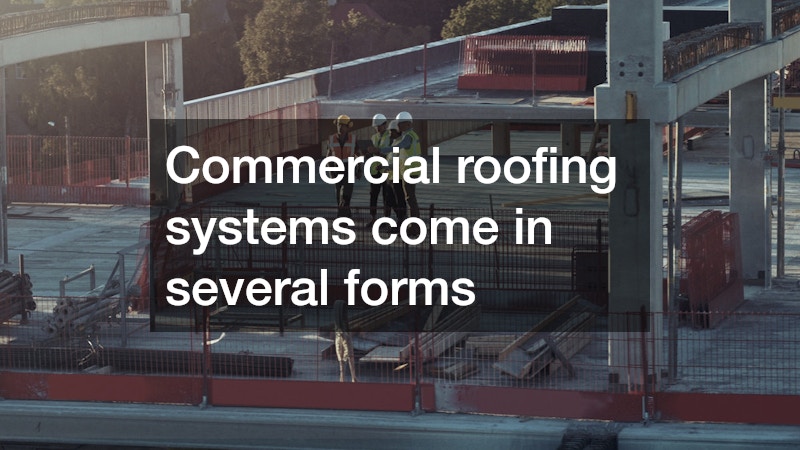
Commercial roofing systems come in several forms, and the right choice depends on the building, climate, budget, and long-term maintenance goals.
Common options may include single-ply membranes, modified bitumen systems, metal roofing, coatings, and other commercial-grade materials. Each type has different installation requirements, durability characteristics, and maintenance needs.
Your contractor should explain the advantages and limitations of the available options rather than recommending a material without context. Property owners should ask about expected lifespan, maintenance, energy efficiency, warranty coverage, and how the material performs under local weather conditions.
The Contractor May Need to Evaluate Drainage
Water management is especially important on commercial roofs because many have low slopes or large flat sections. Poor drainage can allow water to collect on the surface and contribute to premature deterioration.
Before installation, commercial roofers may inspect drains, gutters, scuppers, downspouts, and roof slopes to determine whether water can move away from the building properly.
If drainage problems already exist, the contractor may recommend addressing them as part of the roofing project. Installing a new roof without correcting a significant drainage problem could reduce the effectiveness of the new system.
You Should Receive a Written Estimate
Before work begins, property owners should receive a detailed estimate describing the project’s expected costs.
The estimate may include labor, materials, removal of the old roof, disposal fees, insulation, flashing, permits, equipment rentals, and other expenses. It should also explain which items are included in the quoted price and which conditions could create additional costs.
Owners should carefully review the estimate and ask questions about anything unclear. A low initial price does not necessarily mean the project will be less expensive overall if important services are excluded.
Hidden Damage Can Affect the Final Price
Even a thorough inspection cannot always identify every problem before roofing materials are removed.
Moisture may have damaged insulation or decking beneath the existing roof. Structural components could also have deteriorated without showing obvious signs from the surface.
Property owners should ask commercial roofers how unexpected damage will be handled if it is discovered during the project. Contractors should explain how additional work will be documented and approved before major extra expenses are added.
Having a contingency amount in the project budget can make these unexpected repairs easier to manage.
Access to the Building May Need to Change
Roof installation requires workers, materials, equipment, and disposal containers to move around the property. Before the project starts, your contractor may need to establish specific access areas.
Certain parking spaces may need to remain empty so crews can position lifts, dumpsters, cranes, or delivery vehicles. Entrances close to active work areas may also need temporary restrictions.
Property owners should communicate these changes to employees, tenants, customers, or visitors in advance. Clear signage can help prevent confusion once construction begins.
Expect Noise and Temporary Disruption
Commercial roofing projects can create significant noise. Removing old roofing materials, installing fasteners, operating equipment, and moving materials across the roof may be noticeable inside the building.
If the property contains offices, medical facilities, retail businesses, classrooms, or other areas where noise could be disruptive, discuss scheduling options with the contractor.
Some commercial roofers may be able to perform certain tasks during less busy periods, although project requirements, local regulations, and labor availability can affect scheduling.
Preparing occupants ahead of time can help minimize complaints and interruptions.
Rooftop Equipment Requires Careful Coordination
Many commercial buildings have HVAC units, exhaust systems, vents, antennas, solar equipment, and other components installed on the roof.
These features can complicate roofing work. Contractors may need to install flashing around equipment, coordinate with HVAC technicians, or temporarily move certain components.
Property owners should tell the roofing company about any rooftop equipment that requires special access or cannot be shut down during business hours.
Planning around these systems before installation begins reduces the chance of delays.
Weather Can Influence the Installation Date
Commercial roofing depends heavily on weather conditions. Rain, strong wind, extreme temperatures, or other unfavorable conditions can affect installation procedures or make work unsafe.
Even if the project has a scheduled start date, property owners should understand that weather can create delays.
Experienced commercial roofers typically monitor forecasts and adjust schedules when necessary. While delays can be frustrating, installing roofing materials under unsuitable conditions could lead to larger problems later.
Permits and Safety Requirements May Apply
Depending on the project’s location and scope, permits may be necessary before roofing work begins.
Property owners should confirm whether the contractor will obtain required permits and schedule applicable inspections. The contractor should also have procedures for protecting workers, occupants, and surrounding property throughout the project.
Commercial roofing crews may use fall protection systems, barriers, warning signs, and restricted work zones. These precautions are an important part of a professional installation.
Ask About Warranties Before Work Begins
Do not wait until the project is completed to ask about warranty coverage.
Roofing projects may include workmanship warranties, manufacturer warranties, or both. Coverage periods and requirements can vary significantly.
Ask what the warranty covers, what could void it, and whether routine inspections or maintenance are required to keep coverage active.
Property owners should keep copies of warranty documents, invoices, inspection reports, and installation records after the project is finished.
Good Preparation Leads to a Smoother Project
Knowing what to expect before installation can make replacing a commercial roof much less stressful. Inspections, material selection, budgeting, scheduling, drainage planning, and site preparation should all happen before crews begin removing or installing roofing materials.
Working with experienced commercial roofers also gives property owners an opportunity to ask questions and resolve potential issues early. With proper preparation, businesses can reduce disruptions, control unexpected costs, and move into the installation phase with a clear understanding of how the project will proceed.