
Disclaimer: Concordia Research. This site provides general content for informational purposes only.
Developing an industrial project is a complex process that involves numerous factors. The foundation of a successful industrial development lies in finding the right site. Without the perfect location, even the most well-planned projects can run into significant obstacles. This article provides a comprehensive guide to assist you in selecting the ideal site for your industrial development by leveraging the expertise of site selection consultants.
Understanding the Importance of Location
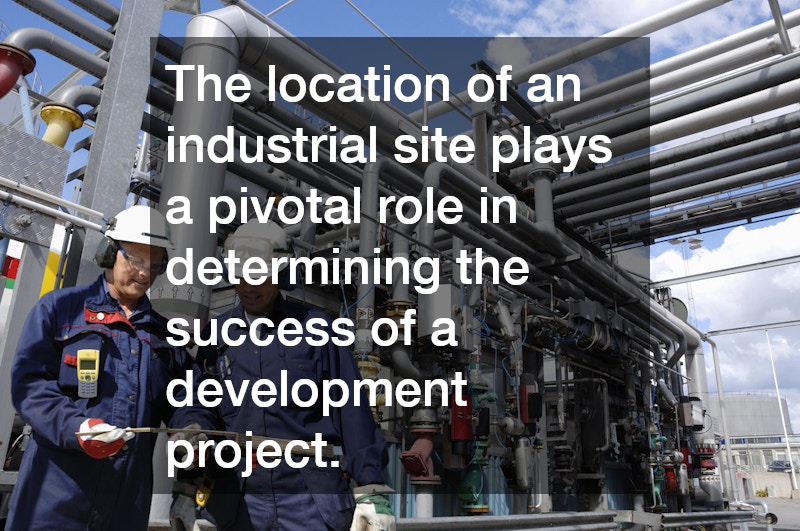
The location of an industrial site plays a pivotal role in determining the success of a development project. Location impacts accessibility, supply chain logistics, and overall operational efficiency.
Moreover, a strategically chosen site can enhance connectivity with suppliers and clients, thereby reducing transportation costs.
Selecting the right location can offer businesses a competitive edge by proximity to required resources and talent. The local workforce availability, regional legislation, and economic incentives are critical factors influenced by location. These elements can heavily sway the operational viability and financial attractiveness of the project.
Site selection consultants emphasize on understanding geographical advantages for an industrial site. They assess environmental constraints, zoning laws, and infrastructural developments to ensure the site supports the long-term strategy of a business. The involvement of these consultants can be crucial in navigating the various elements that affect location decisions.
Evaluating Infrastructure and Utilities
Infrastructure and utilities are essential factors that support industrial operations. Site selection consultants evaluate the availability and reliability of electricity, water, sewage systems, and advanced telecommunications. Adequate infrastructure within a site reduces operational risks and increases productivity.
A robust and reliable infrastructure ensures that industrial operations are seamless and uninterrupted. Site selection consultants take into consideration the scalability of existing infrastructure to accommodate future expansion plans. Analyzing these factors enables businesses to plan effectively and mitigate potential challenges.
Access to efficient transportation infrastructure, such as highways, railways, and ports, is equally crucial. Consultants perform detailed studies on logistical networks to assess ease of product distribution and supply chain management. This holistic evaluation aids businesses in choosing sites that are well-integrated into logistical systems.
Navigating Local Regulations and Permits
Each potential site comes with its own set of regulations and permitting requirements. Understanding and complying with these regulations is vital to avoid legal landmines. Site selection consultants possess the expertise to navigate complex regulatory frameworks swiftly.
They offer insights into zoning laws, environmental regulations, and incentives that could impact the development. This proficiency not only saves time for businesses but also ensures compliance with local, state, and federal laws. Consequently, businesses can focus on operational strategies rather than getting bogged down with legal intricacies.
Securing the necessary permits in a timely manner is crucial to maintain project timelines. Site selection consultants are adept at coordinating with government agencies to expedite the permitting process. Their role is invaluable in ensuring that all legal aspects are judiciously managed without delays.
Maximizing Economic Incentives
Economic incentives can significantly reduce the overall costs of industrial developments. Many regions offer tax breaks, grants, or subsidies to attract industrial projects. Site selection consultants are skilled at identifying and securing these incentives to benefit the business financially.
The strategic application of economic incentives can impact the bottom line positively. Site selection consultants conduct detailed analyses of available incentives, evaluating their short and long-term benefits. By doing so, they aid in minimizing costs and improving project ROI.
Furthermore, consultants use their networks to negotiate the best arrangements for businesses, ensuring optimal financial outcomes. They facilitate discussions with local economic development authorities to maximize available opportunities. This proactive approach contributes to creating a more favorable economic environment for industrial developments.
The Role of Site Selection Consultants
Site selection consultants are instrumental in identifying the right industrial site based on a business’s distinct needs and goals. They bring expertise in evaluating various factors that influence site suitability. Their comprehensive approach includes geographical analysis, infrastructure assessment, and economic evaluation.
These consultants act as a bridge between businesses and potential industrial locations. They streamline the site selection process by providing data-driven insights and expert recommendations. This guidance proves invaluable for making informed decisions that align with business objectives.
Moreover, the consultants’ role extends beyond identifying sites; they assist in negotiation, securing permits, and capturing incentives. Their broad spectrum of services enables businesses to focus on their core operations with confidence that the site selection is in capable hands. By leveraging site selection consultants, businesses can enhance their chances of success in industrial development projects.