
Disclaimer: Concordia Research. This site provides general content for informational purposes only.
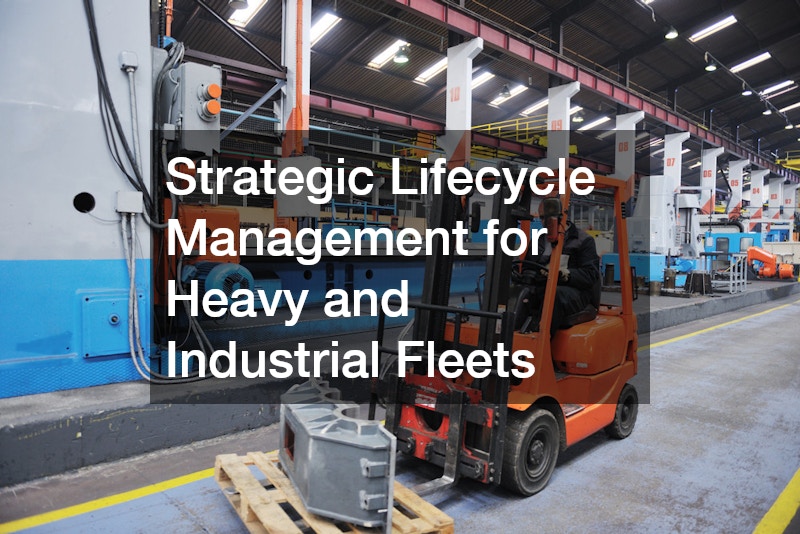
Industrial fleet management has evolved from a reactive chore into a sophisticated branch of data-driven asset operations. A generation ago, managing machinery simply meant running an asset until it broke down, followed by calling a mechanic to fix it. Today, global supply chains, fluctuating material costs, and strict environmental regulations require a holistic approach known as Strategic Lifecycle Management (SLM). This methodology governs an asset from its initial procurement, through its peak operational life, and ultimately to its disposal and recycling.
For organizations operating across heavy industries, the sheer diversity of assets presents a complex challenge. A single enterprise might simultaneously manage heavy equipment for earthmoving, specialized tools for vertical lifting, and utility vehicles for facility transport. The core objective of SLM is to maximize the total return on investment for each asset while minimizing the total cost of ownership. Achieving this balance requires strict adherence to predictive maintenance protocols, robust relationships with parts networks, and a clear understanding of when an asset has reached the end of its economic usefulness.
When applied successfully, SLM transforms fleet management from a cost center into a competitive advantage. Operational downtime is significantly reduced, safety metrics improve, and capital expenditure becomes highly predictable. To understand how this works in practice, we must examine the entire lifecycle of industrial machinery, starting with the raw procurement strategies that set the stage for operational success.
Procurement and Asset Standardization
The lifecycle of any industrial vehicle begins long before it arrives on the job site. Effective procurement requires a deep analysis of operational needs matched with market availability. Fleet managers must evaluate whether to buy, lease, or rent equipment based on project timelines and capital constraints. For core operations, long-term acquisition makes financial sense. However, for highly specialized or short-term needs, strategic partnerships offer a more agile solution.
For instance, a company managing a major infrastructure buildout may need temporary vertical lifting capabilities. Partnering with a specialized crane company allows the business to access advanced rigging technology without carrying the massive liability of ownership on its balance sheet. This approach ensures that the project benefits from certified operators and perfectly maintained lifting gear, while the primary fleet manager remains focused on their core machinery assets.
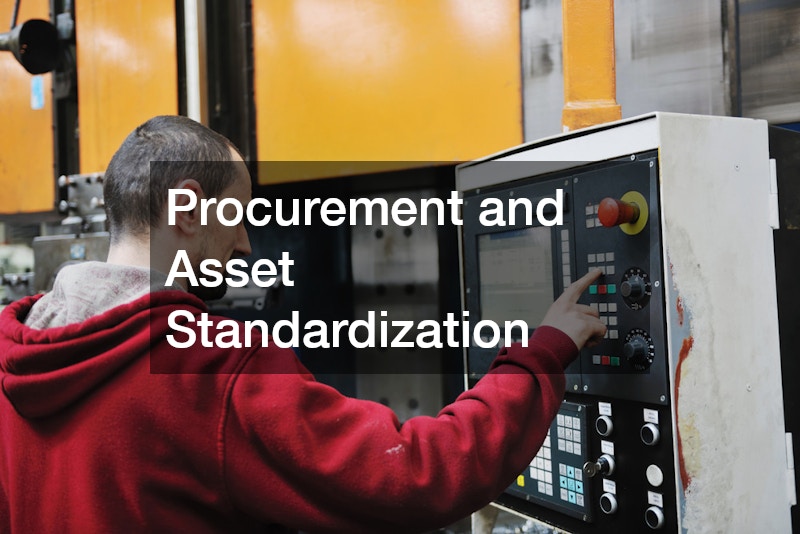
Standardization is another critical pillar of the procurement phase. By selecting specific manufacturers or component ecosystems, organizations can drastically simplify their downstream logistics. When a fleet utilizes standardized engines, hydraulic systems, and electrical components, the internal maintenance team can build deep expertise rather than trying to understand dozens of different brands. Furthermore, standardization allows the enterprise to build a streamlined relationship with a single, highly reliable industrial supplier. This single-source approach secures volume discounts, ensures a predictable pipeline of critical components, and reduces the administrative burden of managing hundreds of individual purchase orders across different vendors.
Balancing Diverse Fleet Profiles
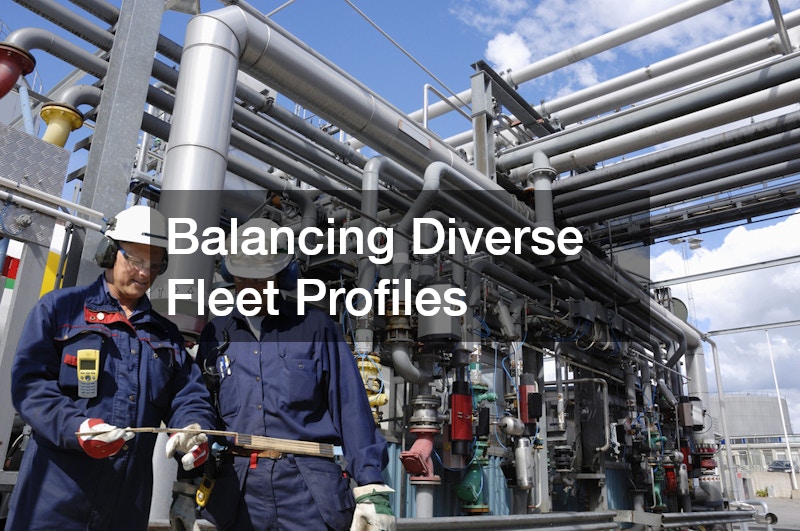
Managing a modern industrial operation rarely involves dealing with just one type of vehicle. Most industrial campuses or large-scale projects require a tiered fleet profile that spans various sizes, capacities, and environments. On the heavy end of the spectrum, managers must oversee massive earthmovers, excavators, and dump trucks. This construction equipment forms the backbone of civil engineering and site development, requiring rigorous tracking of operating hours, structural stress, and hydraulic fluid health. These multi-ton assets bear the brunt of brutal terrain and continuous high-load operations, meaning that structural fatigue in the booms, chassis welds, and heavy undercarriages must be monitored meticulously. Failure to track the wear cycles of these massive units can lead to catastrophic failures that stall entire job sites, making proactive component tracking an absolute operational necessity.
Simultaneously, agricultural and land-management sectors face their own unique fleet challenges. The lifecycle of farm equipment is heavily dependent on seasonal cycles. Unlike machines that run consistently year-round, agricultural assets often experience periods of intense, around-the-clock utilization followed by months of storage. Strategic lifecycle management for these seasonal assets focuses heavily on preservation, rust prevention, and comprehensive off-season overhauls to ensure absolute reliability when the harvest window opens. During the peak of the season, a single breakdown can translate to ruined crops and catastrophic financial losses. Therefore, the hibernation period for these machines is not a period of neglect, but a highly structured phase of deep cleaning, fluid stabilization, and belt replacements. Managers must ensure that storage facilities are climate-controlled or properly sheltered to combat the degradation caused by humidity, pests, and ambient temperature fluctuations.
At the other end of the scale are utility and support vehicles, which are easily overlooked but vital for daily efficiency. Large manufacturing plants, shipyards, and sprawling construction sites rely heavily on golf carts and light utility vehicles to move personnel, tools, and inspectors across massive facilities. While these smaller electric or gas-powered vehicles represent a fraction of the cost of a major excavator, their failure can paralyze logistics and slow down project timelines. If a quality control inspector cannot cross a two-mile facility quickly, the entire production line stalls. SLM requires that these utility fleets receive the same structured tracking, battery maintenance programs, and scheduled inspections as the multi-ton giants working alongside them. This means implementing rigorous daily checks for tire pressure, brake wear, and battery health, ensuring that the micro-logistics of the facility remain as flawless and dependable as the macro-scale operations
Predictive Maintenance and Component Overhauls
Once assets are deployed in the field, the lifecycle management strategy shifts focus toward maximizing uptime and extending operational longevity. The modern gold standard for this phase is predictive maintenance, which utilizes telemetry data, fluid analysis, and vibration tracking to identify failures before they manifest physically. By monitoring parameters like engine temperature trends and hydraulic pressure drops, fleet managers can schedule interventions during natural operational lulls rather than reacting to catastrophic failures mid-shift.
Even with world-class preventive care, heavy use eventually takes its toll on internal combustion systems. When major powertrain components near the end of their reliable service life, managers face a critical decision point: replace the entire machine or invest in rebuilding its core systems. In many cases, the structural chassis and hydraulic framework of a machine remain perfectly sound, making engine replacements an incredibly cost-effective way to double the useful life of the asset. Rebuilding or replacing the powerplant can restore original performance metrics at a fraction of the cost of buying a new machine, while also allowing the company to avoid the long lead times often associated with factory orders.
This mid-life intervention strategy requires an incredibly agile supply chain. Maintenance teams must work closely with their logistical networks to ensure that gaskets, pistons, filters, and complete block assemblies are available precisely when the machine enters the shop. Minimizing the time an asset spends in the bay is crucial; every day a high-capacity machine is offline represents lost revenue and disrupted schedules.
Infrastructure and Environmental Logistics
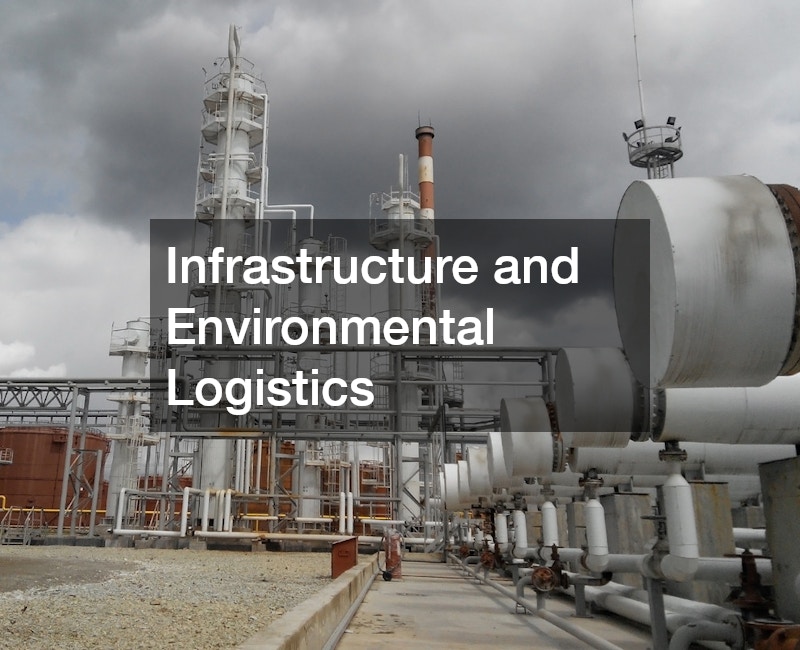
A frequently ignored aspect of fleet lifecycle management is the stationary infrastructure required to support mobile assets. Industrial fleets cannot operate in a vacuum; they require robust maintenance bays, fueling stations, and administrative hubs. When projects move into remote areas or unmapped territory—such as new mining operations, highway expansions, or large agricultural developments—establishing this baseline infrastructure is the first hurdle.
Managing the environmental footprint of these support bases is both a regulatory necessity and an operational requirement. For instance, remote maintenance yards and temporary staff housing require robust waste management systems. Engaging a professional septic tank company ensures that the field headquarters comply with local environmental laws and prevent toxic runoff from contaminating the surrounding soil. Proper management of liquid waste and facility greywater protects the local ecosystem and prevents costly regulatory fines that could derail the financial viability of the entire project.
Furthermore, these containment systems must be regularly inspected and maintained alongside the rolling fleet. Oil-water separators in wash bays, fuel storage containment liners, and site drainage networks must all be integrated into the central asset management software. By treating the physical support site as an extension of the fleet itself, operations managers create a seamless environment where machines can be serviced safely and sustainably.
Operational Agility and Executive Oversight

For multinational firms or companies managing geographically scattered operations, maintaining clear visibility over a vast asset portfolio is a constant struggle. Equipment may be spread across multiple states, countries, or remote wilderness sites, making centralized tracking incredibly difficult. While digital telemetry provides real-time GPS locations and engine diagnostics, there is no substitute for direct, human oversight and rapid response capability. Digital dashboards can monitor temperature spikes or fluid pressures from thousands of miles away, but they cannot assess the human factors on the ground, evaluate local environmental stressors, or conduct the nuanced physical inspections required for high-stakes regulatory compliance. Without a physical presence, a disconnect inevitably forms between corporate oversight and field realities, often leading to misallocated resources and delayed maintenance timelines.
When an unexpected crisis occurs—such as a critical asset failure on a remote pipeline or an urgent need to reallocate machinery to a high-priority zone—speed is everything. Executives and specialized technical auditors frequently rely on aircraft rental services to span these massive distances in hours rather than days. Being able to fly technical experts directly to a troubled site or transport a highly specialized technician to an offshore staging ground keeps the wheels of industry turning. This level of aviation agility allows fleet directors to conduct rapid physical audits, ensure compliance with maintenance standards, and make real-time deployment decisions that protect the company’s capital investments. Instead of waiting for commercial flight schedules or navigating days of ground travel through rugged terrain, decision-makers can land directly at private airstrips or municipal fields nearest to the operational theater. This immediate intervention capability dramatically compresses the time to resolution, transforming what could have been a multi-million-dollar operational bottleneck into a minor, well-managed speedbump. Furthermore, these regular aerial field visits foster a culture of accountability among local managers, who know that corporate leadership can easily bridge the geographic divide to inspect operations firsthand.
This macro-level agility also changes how companies approach machine utilization. If an infrastructure project in one region slows down due to weather, a nimble management team can quickly arrange for the transport of idle machinery to a high-demand project elsewhere. By maximizing the utilization rate of every asset in the portfolio, the firm reduces the total number of machines it needs to own, directly boosting overall profitability. Instead of allowing expensive assets to sit depreciating in a muddy yard during a seasonal freeze, logistics teams can pivot and redeploy those exact machines to an active climate where work continues unabated. This fluid movement of assets effectively breaks down the geographic siloes that traditionally plague large organizations, fostering a shared-resource mindset across the entire enterprise. Ultimately, integrating rapid transit options into the corporate toolkit allows fleet managers to maintain a leaner, meaner asset footprint, securing optimal operational output without over-purchasing unnecessary backup machinery.
Sustainable Demobilization and Material Recovery
The final phase of strategic lifecycle management occurs when an asset reaches the absolute end of its economic viability. Eventually, the cost of maintenance, fuel inefficiency, and declining reliability outpaces the revenue the machine generates. At this point, continuing to run the vehicle becomes a liability. A structured decommissioning protocol is required to extract the remaining residual value from the asset while upholding corporate sustainability goals.
The decommissioning process begins with systematic harvesting. Internal technicians strip the machine of high-value components that can be used to service other active vehicles in the fleet. Alternators, starters, intact hydraulic cylinders, and specialized electronics are cleaned, tested, and placed into the corporate parts inventory. Fluid systems are drained completely, ensuring that oils, coolants, and refrigerants are captured and disposed of in accordance with strict environmental protocols.
Once the machine has been stripped of its usable parts and hazardous fluids, the remaining structural shell enters the scrap pipeline. Because industrial machinery is primarily constructed from high-grade steel and iron alloys, it represents an important resource for the circular economy. Sending the chassis to a dedicated steel recycling facility ensures that the raw metals are melted down and repurposed into new industrial products, rather than rusting in a landfill. This sustainable retirement loop provides a final cash injection from the scrap value, reduces the environmental footprint of the operation, and ensures that the lifecycle of the metal comes full circle, ready to be forged into the heavy machinery of tomorrow.