
Disclaimer: Concordia Research. This site provides general content for informational purposes only.
Organizing a company event takes careful planning and close attention to detail. Every piece, from how guests arrive to how the space looks once they leave, plays a part in whether the day succeeds. When everything runs smoothly, attendees walk away with a lasting, positive impression of your organization. This guide walks you through the essential steps involved in planning a company event from start to finish.
Corporate functions keep changing, so adaptability is key. Teams have to stay flexible and creative to meet a wide range of needs and preferences, whether the gathering is a half-day seminar, a product launch, or a multi-day conference. Every decision, from the travel plan to the room layout, can shape the overall experience. Planning early gives you room to adjust. The aim of this article is to share practical tips for event planners who want their corporate events to be both successful and memorable. Below are the key areas that deserve your attention, in roughly the order you’ll tackle them, so you can build a plan that holds together on the big day.
Arrange Guest Travel Before Your Company Event

One of the first tasks in preparing for a company event is arranging reliable airport transportation for your guests. Coordinating timely pickups and drop-offs makes sure attendees arrive on schedule and without stress. It also sets a professional tone from the moment guests land and spares them from navigating unfamiliar roads in a new city. Working with a dedicated transportation provider known for punctuality and hospitality is a smart move. A good provider can handle staggered arrival times, track flights in real time, and adjust vehicle sizes based on group numbers. Ask for a confirmed schedule at least a week ahead so you can share pickup details with every guest. Name signs at arrival gates make it easy for guests to spot their driver.
It also pays to plan for traffic delays and flight cancellations. Building some flexibility into the schedule helps you absorb unexpected hiccups without throwing off the agenda. Send guests a short travel sheet with pickup points, driver contact numbers, and an emergency helpline so they always know who to call.
Pick a Space That Fits Your Agenda
Selecting a meeting room that matches your event’s agenda is critical to its success. The right room comfortably fits your headcount and supports logistical needs such as audio-visual equipment, seating arrangements, and power access. Plan for roughly ten percent more seats than your expected attendance. Focusing on function, size, and accessibility helps every session run without interruptions.
When comparing venues, look for one that offers flexible layouts. If your schedule moves between small breakout discussions and a large general session, the ability to rearrange the space quickly is invaluable. Confirm details like Wi-Fi strength, projector quality, microphone options, and how much time the venue staff need to switch setups between sessions.
Finally, consider the atmosphere of the space. Natural light, comfortable temperatures, and good acoustics all affect how alert and engaged attendees stay throughout the day. Ask about noise from neighboring rooms as well. Visiting the venue in person at the same time of day your event will run gives you a realistic sense of how the room will feel.
Give Key Guests Their Own Space
Setting up a dedicated vip site for important guests adds a personal touch to your event. This reserved area can include comfortable seating, refreshments, charging stations, and dedicated staff to handle requests. A tailored experience shows speakers, executives, and top clients that their presence is valued.
Beyond comfort, a vip site gives key guests a quiet place to network, prepare for presentations, and hold private conversations away from the main crowd. Coordinate the decor, hospitality, and access control so the space reflects your brand and matches the standing of the guests using it. A simple guest list at the entrance keeps the area exclusive without feeling unwelcoming.
Building a space for special guests into your event plan shows a real commitment to guest satisfaction. Assign one staff member as the main point of contact for these guests. These thoughtful touches can strengthen existing relationships and open the door to new partnerships, since meaningful connections are often made during relaxed, informal moments between sessions.
Vet Your Equipment Suppliers Before Signing
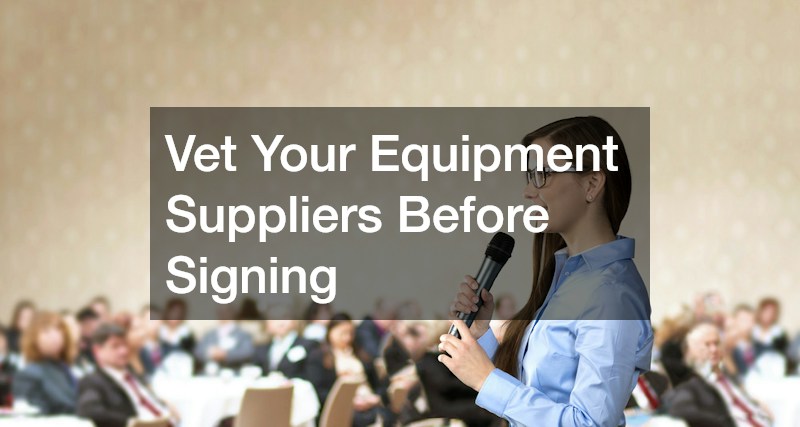
Partnering with a reputable event rental company and vetting it carefully before signing any agreement is a step you can’t afford to skip. A dependable supplier ensures that essential equipment, from staging and lighting to audio systems, meets the standard your event requires. Reading past client reviews and asking for references gives you a clear picture of how reliable the company really is.
Whenever possible, visit the supplier’s warehouse or showroom to see the condition of the equipment firsthand. Get delivery windows, setup times, and backup plans in writing so that a late truck or faulty item won’t disrupt your schedule. It also helps to clarify who is responsible for damage, overtime charges, and last-minute changes before the contract is final.
Open communication about your needs and expectations builds a strong working relationship with your suppliers. Assign one person on your team to manage all supplier contacts. When everyone understands the plan, services and equipment come together smoothly, leaving you free to focus on the rest of the event.
Book Tables, Chairs, and Tents Early
Reserving party rental equipment such as tables, chairs, and tents well in advance can save you from last-minute scrambling. Whether your event is indoors or outdoors, comfortable and consistent seating is something attendees notice and appreciate. Booking early guarantees availability and gives you a wider choice of styles and sizes.
During busy seasons, such as spring conference season or the end-of-year holiday rush, waiting too long can leave you with limited options. Aim to lock in your order two to three months ahead for larger events. Choose a provider with a broad selection of styles and configurations so the furniture fits your theme and makes the space both attractive and practical.
Confirm delivery schedules along with setup and teardown services before the event date. Walk through the floor plan with the provider so every table and tent lands in the right spot. Keep a few spare chairs on hand for unexpected guests. This preparation removes a major logistical burden and lets you keep your attention on the program and the guest experience.
Plan a Menu Your Whole Team Enjoys
A corporate catering service can turn a good event into a great one by building a menu that suits the varied tastes of your team. Collecting dietary preferences and restrictions during registration ensures that no guest feels left out. Offering a balance of hearty and lighter options keeps everyone satisfied and energized through long sessions.
Featuring local flavors or tying the menu to your event theme can make mealtimes memorable. Work with the caterer on presentation and serving style, whether that means a buffet, family-style platters, or plated meals, so the food matches the tone and formality of the day. Scheduling a tasting a few weeks out helps you finalize choices with confidence.
Choosing a caterer that prioritizes freshness and quality shows attendees that the planning was thoughtful and thorough. Plan for about ten percent more food than your final headcount to cover late additions. Prompt, efficient service keeps the agenda on track and turns breaks and meals into highlights of the event rather than long waits in line.
Help Attendees Find Their Way Around

Clear, informative signs and banners are essential for guiding attendees smoothly around the venue. Placing them at entrances, along hallways, and in high-traffic areas reduces confusion and keeps foot traffic moving. Consistent design and branding across every piece reinforces your event’s professional image. Order them early enough to proofread names, room numbers, and arrows before printing.
Simple symbols and short, readable text make directions easy to follow at a glance. Make sure lettering is large enough to read from a distance and placed at eye level. Digital displays offer a flexible option as well, since they can show real-time schedule updates, room changes, or announcements throughout the day. Test digital screens the day before.
Detailed maps, offered in printed form at check-in or through a mobile event app, give attendees a clear picture of the entire layout. When guests can find sessions, restrooms, and dining areas on their own, they feel more comfortable and spend less time asking staff for directions.
Plan Restroom Access for Outdoor Events
Reliable portable toilet rental services are vital when hosting events outdoors. Their importance is often overlooked until a problem arises, and by then it is too late to fix. Planning ahead ensures clean, sufficient restroom facilities for every attendee from start to finish.
The number of units and their placement should be planned carefully to prevent long lines and crowding. A common guideline is about one unit for every 50 guests over a four-hour event, with more needed if alcohol is served or the event runs longer. Ask your provider to confirm the count based on your final headcount. Including accessible units, handwashing stations, and family-friendly options further improves the guest experience.
Scheduled servicing during the event helps maintain hygiene and comfort. Discuss service frequency, restocking supplies, and lighting for evening hours with your provider ahead of time so the units stay clean, functional, and discreetly placed throughout the occasion. Place them close enough to be convenient but far enough from food areas to keep the setting pleasant.
Handle Event Waste Before It Piles Up
Hiring a reputable dumpster service keeps waste management under control throughout your event. Proper disposal arrangements prevent unsightly piles and maintain a clean setting for guests. This is especially important for large gatherings, where packaging, food scraps, and decor waste can quickly exceed normal expectations.
Discuss recycling and waste-sorting options with your provider before the event to support a more eco-friendly image for your company. Clearly labeled bins for recycling, compost, and general trash make it easy for guests to take part. Many attendees and partners appreciate sustainability efforts and connect more closely with brands that share those values.
Estimating how much waste your event will produce helps you choose the right container size and number of pickups. Regular collection keeps areas sanitary, reduces safety hazards, and contributes to a comfortable atmosphere. Ask for a pickup right after teardown so nothing is left behind overnight. With a solid plan in place, waste becomes one less thing to worry about on the day.
Leave the Venue Spotless Afterward

After the event, bringing in a specialized entertainment venue cleaning service ensures the space is returned in excellent condition. Many venues require the space be cleared and cleaned within hours of the event ending. A thorough cleanup reflects your organization’s commitment to professionalism and keeps the door open for future bookings at the same venue.
Professional cleaning crews work quickly and efficiently, handling everything from leftover decorations and confetti to spills, stained carpets, and scuffed floors. Their work goes beyond basic tidying, helping protect the venue’s furnishings and your company’s reputation in the community. Book the crew in advance and confirm the venue’s checkout time so cleanup fits within your rental window.
A complete cleanup also helps you avoid damage fees and lost deposits while allowing the venue to return to normal use without delay. Take photos of the space before and after so you have a record if any questions come up. This final step strengthens your relationships with venue managers and vendors, making it easier to secure great spaces for your next event.
Careful organization is the foundation of a successful and memorable company event. From smooth airport transportation at the start to a reliable entertainment venue cleaning service at the end, every detail plays an important role. Thoughtful planning and steady execution keep the day running on schedule and reflect well on your organization.
Working with a dependable event rental company and planning ahead for portable toilet rental services and party rental equipment all contribute to guest satisfaction. Meanwhile, a well-chosen menu from a corporate catering service keeps attendees energized, and clear signs and banners make getting around simple. A comfortable meeting room, a welcoming vip site, and a dependable dumpster service round out the essentials. Ultimately, the strategies in this guide give you a framework for an event that connects with attendees and runs with ease. When every piece is considered and potential challenges are anticipated early, your event is set up for success, from the smallest details to the biggest logistics.