
Disclaimer: Concordia Research. This site provides general content for informational purposes only.
Business maintenance projects are necessary, but the work itself can create challenges when it overlaps with normal operations. Closing an entrance, taking equipment offline, restricting a work area, or temporarily changing employee routines can affect productivity and customer experiences. Without a clear plan, even routine maintenance can create unnecessary interruptions. These disruptions can often be reduced through careful scheduling and preparation.
The key is to treat maintenance as part of ongoing business planning rather than something that happens separately from daily operations. Businesses can reduce disruptions by identifying affected areas, scheduling work during appropriate periods, preparing alternate access routes, and communicating changes before work begins. It also helps to coordinate related projects so employees are not repeatedly asked to adjust their routines. This approach makes maintenance easier to fit into the demands of a busy workday.
From access systems and equipment to exterior surfaces and safety infrastructure, each project requires its own considerations. A practical maintenance schedule allows businesses to address these needs while keeping essential operations moving. Planning these details can also make it easier to handle several maintenance needs without creating overlapping disruptions.
Coordinate Access Work Around Business Hours
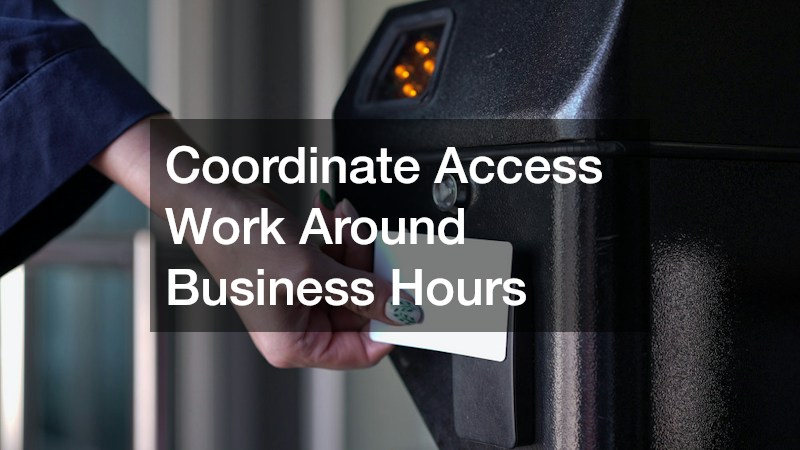
Access points can become difficult to manage when maintenance requires doors or restricted areas to be unavailable. Before scheduling commercial locksmith services, identify which entrances, offices, storage rooms, and other areas will be affected. This makes it easier to select a service window that creates the least interference with employees, customers, and deliveries.
Businesses should also prepare access information before work begins. If technicians need entry to several areas, gathering keys, codes, or other necessary authorization in advance can help the work move efficiently. When possible, related access issues should be handled during the same scheduled visit rather than creating several separate interruptions. This can help keep the project focused and minimize the amount of time normal access is affected.
Useful planning steps include:
- Identify every affected entry point
- Schedule work during low-traffic periods
- Prepare keys and access information
- Notify employees about temporary changes
- Establish alternate entrances when needed
Planning access work this way keeps a maintenance project from unexpectedly interfering with the normal movement of people throughout the property.
Schedule Drainage Work Before It Becomes Urgent
Certain maintenance projects can interfere with operations simply because they require access to areas that are normally busy. A commercial grease trap is one example. Businesses that depend on food preparation need to consider kitchen schedules, service periods, employee movement, and cleanup when planning this type of maintenance.
Rather than treating the work as an isolated task, place it on the broader maintenance calendar. Review upcoming events, unusually busy periods, and other planned projects before selecting a service window. Scheduling around the business’s workflow can reduce the likelihood that employees have to stop normal activities unexpectedly.
Before the scheduled work, consider:
- Kitchen production schedules
- Peak customer service periods
- Technician access requirements
- Temporary restrictions on affected areas
- Cleanup time after the work
Planning is particularly useful when several maintenance projects affect the same area. Coordinating them can reduce repeated closures and make better use of scheduled downtime. It also gives employees a clearer idea of when normal kitchen activities may need to change temporarily.
Protect Critical Equipment During Scheduled Repairs
Equipment that supports everyday operations requires careful scheduling because taking one unit offline can affect several other tasks. Before arranging commercial refrigeration repair, determine which equipment is essential and how its temporary unavailability could affect inventory, preparation, or service.
The timing of the repair should account for the business’s normal operating rhythm. A repair scheduled during a busy period can create more disruption than the same work performed during a slower window. If the equipment must be unavailable for a period, employees should know in advance so they can adjust their workflow accordingly.
A useful preparation checklist includes:
- Identify critical refrigeration equipment
- Review upcoming production demands
- Select an appropriate service window
- Plan temporary storage or workflow changes
- Notify employees who use the equipment
Businesses can also review other upcoming equipment projects before scheduling the repair. Combining compatible work into a planned maintenance period may reduce the number of times an operational area needs to be interrupted. This allows the business to address related maintenance needs within a more controlled timeframe.
Keep Loading Areas Accessible During Repair Work

Loading areas often support several parts of a business at once. Deliveries, employee traffic, inventory movement, and vehicle access may all depend on the same opening. When planning commercial garage door repair, businesses should consider everything that normally happens around the affected door.
Start by reviewing delivery schedules and periods of heavy activity. If the door needs to remain unavailable during the repair, determine whether another entrance can accommodate the affected traffic. Employees and vendors should receive clear instructions about any temporary changes before the project starts.
Practical planning considerations include:
- Review delivery and pickup schedules
- Identify alternate access points
- Clear the work area beforehand
- Notify drivers and vendors
- Schedule repairs during lower-traffic periods
This type of preparation also helps technicians work without employees or vehicles repeatedly entering the repair area. Keeping the workspace clear can make the project easier to coordinate while allowing other parts of the property to continue operating.
Plan Exterior Improvements Around Customer Traffic
Exterior projects can affect how customers, employees, and business vehicles move around a property. Even work that does not interfere directly with an entrance can create congestion if parking areas, driveways, or nearby access points become occupied. A commercial vehicle wrap project should therefore be considered alongside other scheduled exterior work.
Review the property calendar before selecting a service period. If exterior improvements are already planned, coordinating vehicle access with those activities can reduce conflicts. Businesses should also consider when company vehicles are most needed so that maintenance does not unnecessarily interfere with deliveries, service calls, or employee responsibilities.
Planning can include:
- Review vehicle-use schedules
- Identify areas needed for the work
- Coordinate with exterior maintenance
- Keep customer traffic routes clear
- Avoid overlapping high-traffic activities
The goal is to make improvements without creating unnecessary obstacles around the property. A coordinated schedule can help preserve normal traffic patterns while planned work takes place.
Group Electrical Work Into Planned Maintenance Windows
Electrical maintenance can affect individual rooms, equipment, or larger portions of a property, depending on the work involved. Commercial electrical maintenance should therefore be scheduled with a clear understanding of which business functions depend on the affected systems.
Begin by identifying areas where work will occur and determining whether employees need temporary access restrictions. If any operational interruptions are expected, communicate them before the scheduled maintenance period. This gives employees time to adjust schedules, move essential activities, or prepare for temporary changes.
A practical electrical maintenance plan should address:
- Areas requiring technician access
- Equipment connected to affected systems
- Potential temporary restrictions
- Employee communication
- Coordination with other facility work
Grouping related electrical tasks into one maintenance window can also reduce repeated interruptions. Instead of repeatedly closing or restricting the same area, businesses can address several planned needs within a coordinated schedule. This approach can make maintenance easier to manage while limiting disruption to daily operations.
Address Uneven Surfaces Before They Affect Daily Operations

Uneven exterior surfaces can become a scheduling issue when repairs require temporary restrictions around walkways, entrances, parking areas, or loading zones. Before arranging commercial concrete lifting, identify how people and vehicles normally use the affected space throughout the day.
The best maintenance window depends on the location and its role in daily operations. A surface near a busy entrance may require a different schedule from one in a less frequently used area. If an important route must be restricted, establish an alternate path before work begins and communicate the change clearly.
Consider these preparation steps:
- Identify high-traffic surfaces
- Review pedestrian and vehicle patterns
- Establish alternate routes
- Move nearby obstacles before work
- Notify affected employees and visitors
It is also helpful to coordinate exterior surface work with other property projects. Landscaping, parking maintenance, and similar activities may involve some of the same areas. Scheduling compatible work together can reduce repeated access restrictions.
Keep Safety System Work From Interrupting Operations
Safety-related maintenance requires planning because technicians may need access to multiple parts of a property. When scheduling work involving commercial fire alarms systems, businesses should identify the areas that require attention and consider how employees or customers normally use those spaces.
Communication is particularly important when work temporarily changes access or activity within a building. Employees should understand which areas may be restricted and what alternative routes or procedures apply during the scheduled work. Planning can also prevent technicians from having to repeatedly stop their work because an area is unexpectedly occupied.
Before the project, businesses can:
- Identify all areas requiring access
- Review operating schedules
- Notify employees about temporary restrictions
- Coordinate related facility work
- Plan alternative routes when needed
Safety system maintenance should have a defined place in the overall maintenance calendar. Coordinating it with other planned projects can reduce repeated interruptions while giving technicians the access needed to complete their work.
Build an Emergency Response Plan Into Maintenance Scheduling
Not every property issue can be placed neatly into a routine maintenance calendar. Sudden damage can require businesses to change their plans quickly, particularly when portions of a building cannot be used as normal. Planning for fire and water damage restoration services as part of broader emergency preparedness can help businesses respond more systematically when an unexpected event occurs.
The goal is not to predict when an emergency will happen. Instead, businesses can establish basic procedures for managing affected areas and keeping unnecessary activity away from the problem location. Employees should understand who is responsible for communicating changes and how normal workflows may be redirected.
An emergency plan can account for:
- Identifying affected areas
- Restricting unnecessary access
- Relocating employees or equipment
- Redirecting customer or delivery traffic
- Documenting reopening procedures
Having these considerations documented before an emergency occurs can reduce confusion. It also gives routine maintenance planning a broader purpose by helping businesses prepare for both scheduled projects and unexpected property problems.
Schedule Restaurant Equipment Work Around Production
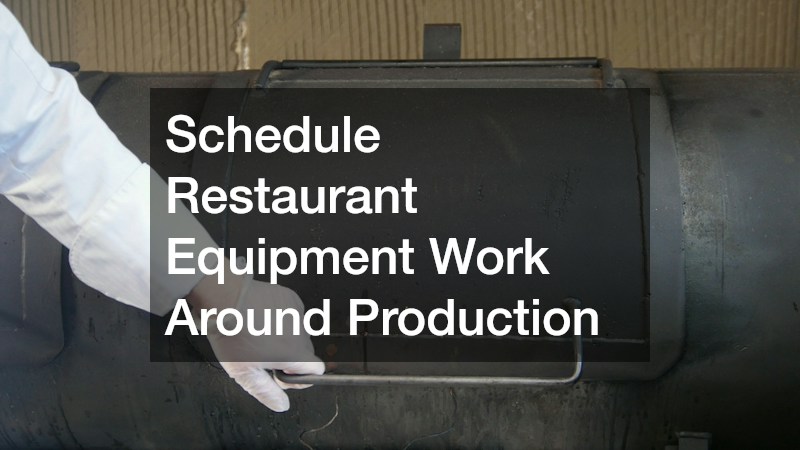
Businesses that rely on commercial kitchens have to balance maintenance needs with food preparation and service schedules. Restaurant equipment service can affect production when equipment is unavailable, technicians need workspace, or employees cannot use part of the kitchen during the project.
Start by identifying which equipment needs attention and how each item fits into the normal workflow. If several pieces of equipment require service, review whether the work can be coordinated within the same maintenance window. This can reduce repeated interruptions and limit the number of times employees need to reorganize kitchen operations.
Before scheduling service, consider:
- Peak preparation periods
- Equipment used for essential tasks
- Technician access requirements
- Temporary workflow changes
- Time needed to return the area to normal use
Communication also matters. Employees who rely on the affected equipment should know about the planned work ahead of time. With a defined schedule and clear expectations, maintenance can take place with less interference with everyday kitchen activity.
Maintenance projects do not have to bring normal business activity to a halt. The difference often comes down to how well the work is planned, scheduled, and communicated before anyone arrives to begin the project. Looking at each maintenance need in the context of daily operations makes it easier to identify potential conflicts and prepare practical solutions. This preparation can help businesses keep disruptions limited while necessary work is completed.
A useful maintenance plan considers more than the work itself. It accounts for customer traffic, employee routines, deliveries, equipment availability, access requirements, and temporary restrictions. It also leaves room for unexpected property problems that cannot wait for a convenient service window. Considering these factors together creates a more organized approach to maintaining the property.
By grouping compatible projects, selecting appropriate maintenance periods, preparing alternate routes, and communicating changes in advance, businesses can make necessary property work more manageable. The result is a maintenance process that supports ongoing operations instead of repeatedly working against them. With these practices in place, maintenance can become a more predictable part of regular business planning.